Sensory Results
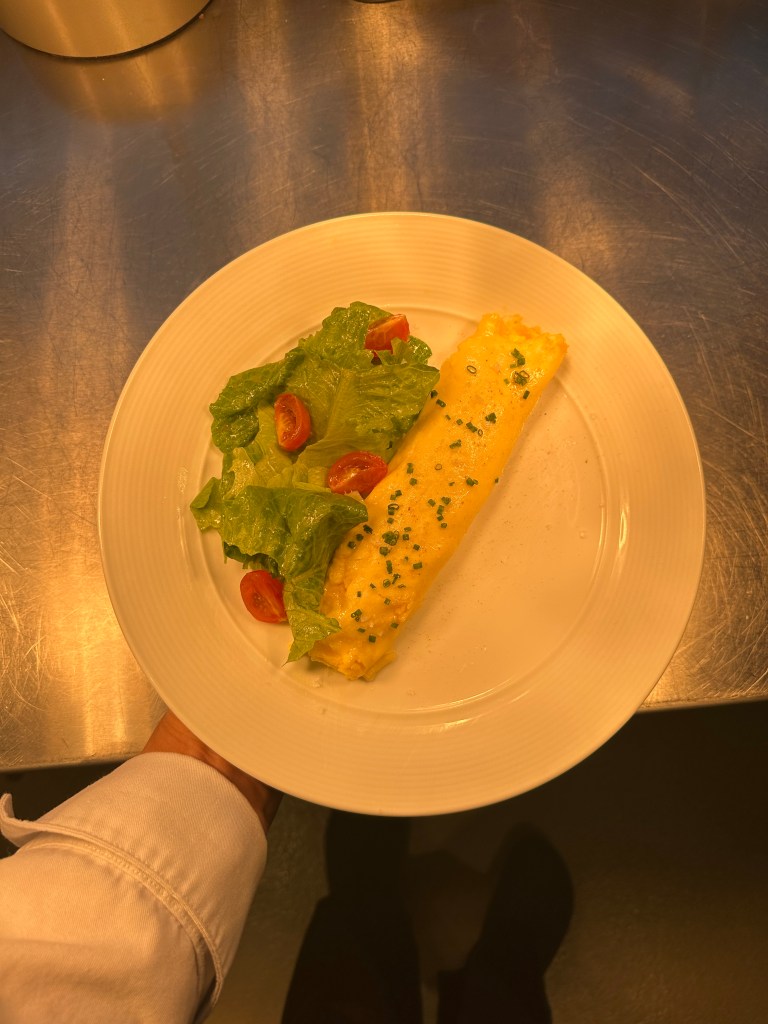
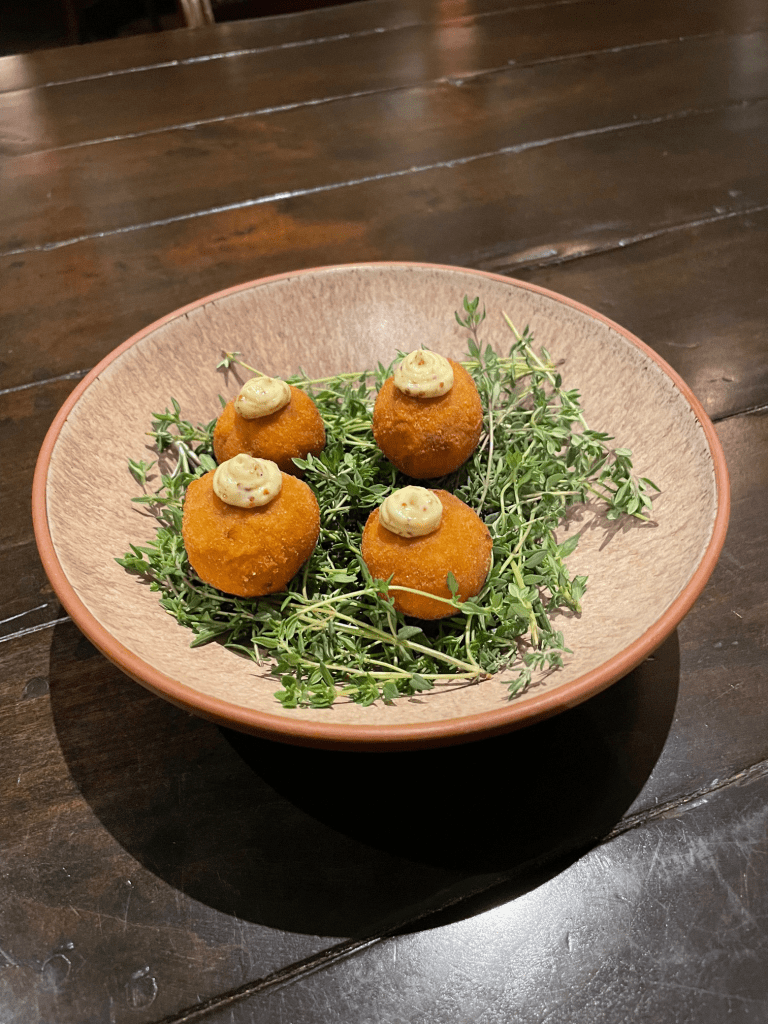
This week’s culinary lab centered on eggs, and the experience offered a deeper look into just how versatile and technique-dependent this ingredient truly is. Working across different preparations highlighted how small changes in heat, timing, and handling can completely transform both texture and flavor. From gentle poaching to the precise sealing of a Scotch egg, each method demanded close attention and gave me a better understanding of how eggs behave under varying conditions. The lab also reinforced foundational skills like temperature control, proper knife work during mise en place, and efficient station organization.
What stood out most was how each technique revealed a different functional property of eggs: coagulation in custards, binding in the Scotch eggs, aeration in whipped preparations, and emulsification in sauces. Practicing these side by side helped connect theory to application. Overall, the lab strengthened my ability to approach eggs not just as an everyday ingredient, but as a technical tool that can determine the success or failure of a dish.
Sustainability Analysis
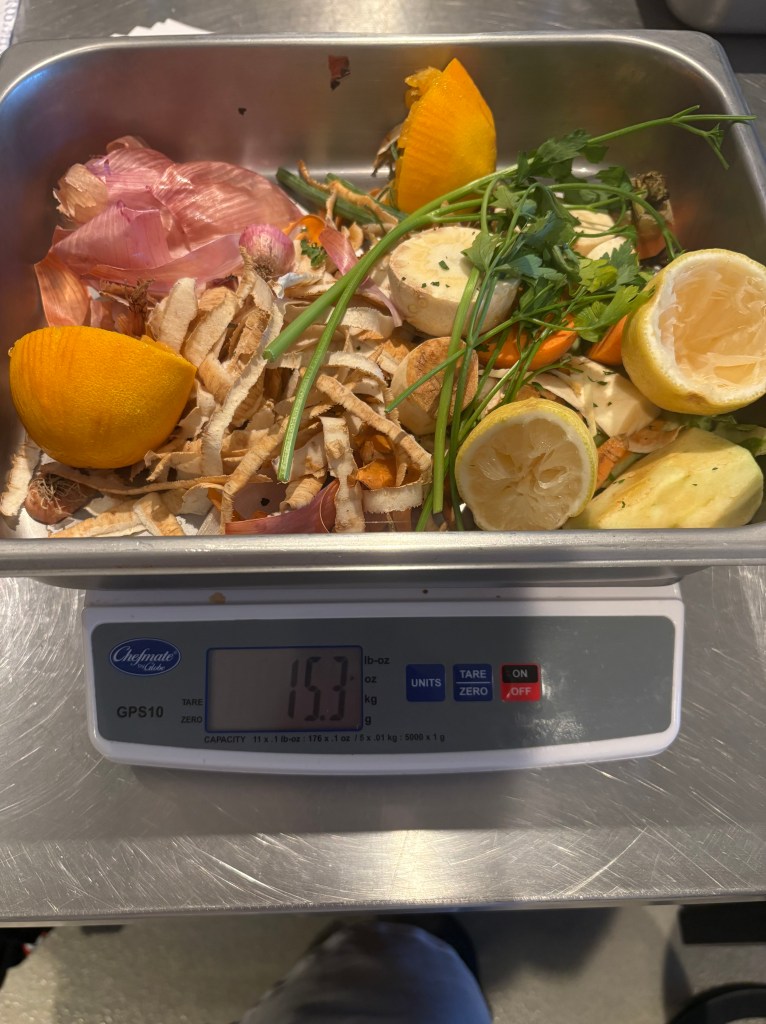
Our usable waste, weighing in at 15.3oz was due mostly to our mise and the typical scraps that come with a mise. LeanPath, a food waste-prevention company approximates this waste costing $0.07/oz, meaning $1.07 was wasted on this waste.
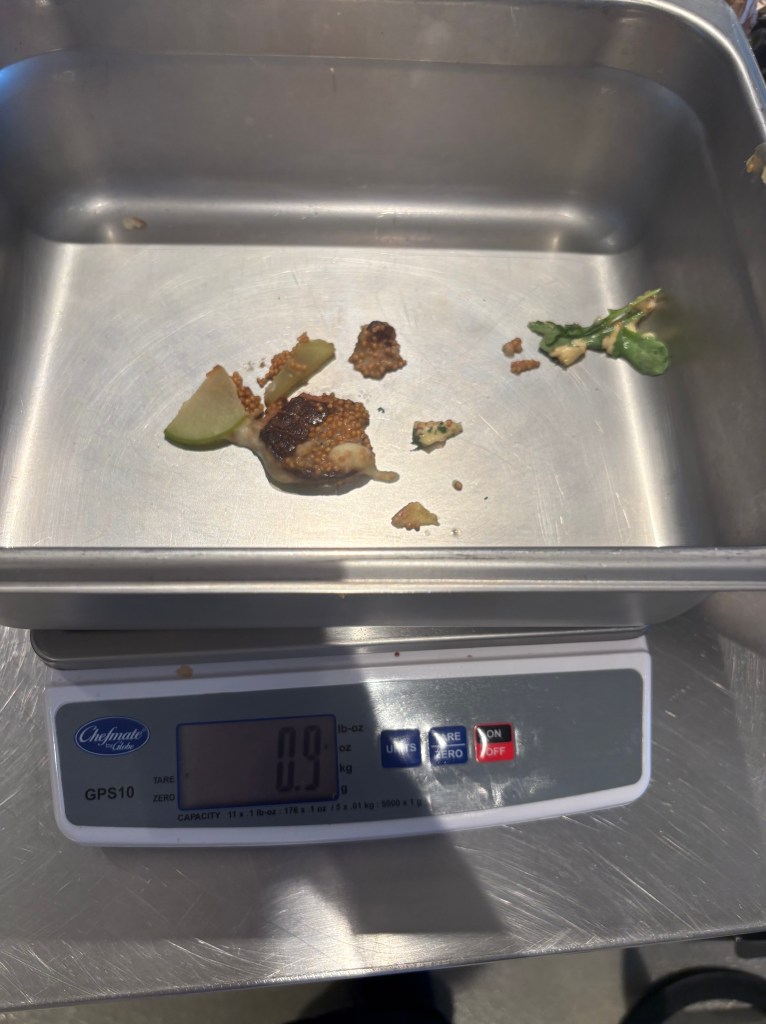
Our unusable waste, weighing in at 0.9oz was due to unusable fish shells and our tomato container. LeanPath also approzimates this waste costing $0.07/oz, meaning $0.06 was wasted on this waste.
I think our waste being lower than last week is a good sign, and that our group was definitely more attentive to our waste. We were also much more mindful as to where we placed items.
To be more sustainable in future labs, I will focus on reducing overall waste by planning portions more carefully and using ingredients more efficiently. I will make better use of leftover components by repurposing them into other dishes rather than discarding them. Additionally, I’ll be more mindful of energy and water usage during preparation and cleanup. By being more intentional with resources, I can help create a more environmentally responsible kitchen environment.
This week, the WACS Sustainability Certification mostly influenced my lab this week, because I feel that I was much more understanding of the different categories of waste.



 Jack Burke